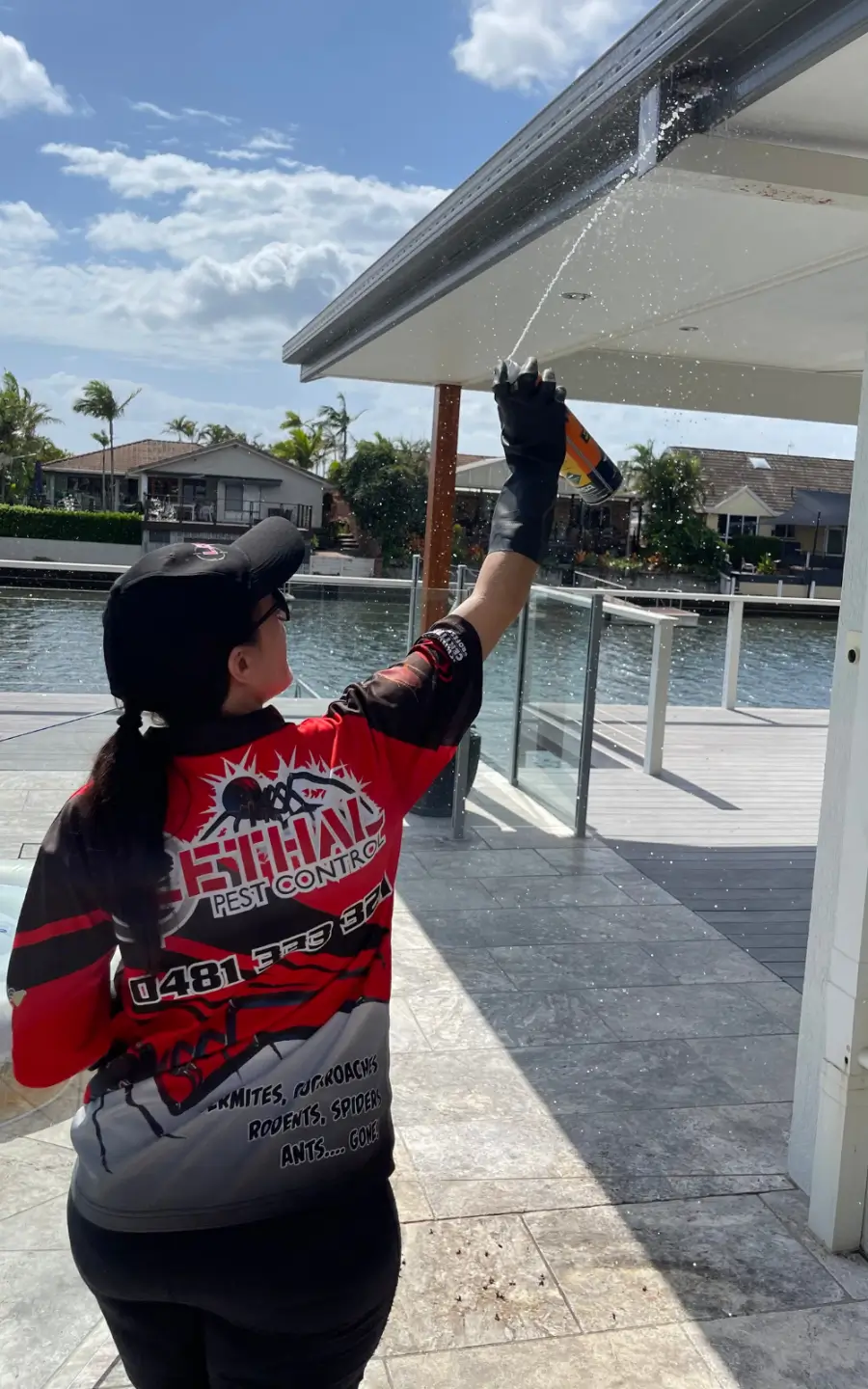
Wasp Control Gold Coast
Wasps nesting around eaves, sheds, garden structures or other parts of the property can become defensive very quickly when the nest is disturbed.
Nests may be visible or concealed in a wall, roof area or sheltered gap. The species, activity and access all influence the right treatment, particularly where a nest is elevated or difficult to reach.
Keep people and pets away where practical and avoid spraying or disturbing an active nest. We assess Gold Coast wasp activity and use targeted treatment, with nest removal discussed only where appropriate, accessible and safe. Follow-up may be required depending on the location and response.
15+ Years of Hands-On Experience
5-Star Rated by Local Customers
Nest Assessment and Targeted Treatment
Get in Touch About Wasp Activity
If you have found a wasp nest or noticed repeated wasp activity around your property, contact Lethal Pest Control to discuss the location and arrange the appropriate next step.
Do not approach or disturb the nest. Keep people and pets away from the area where practical until it has been assessed or treated.
0481 333 321
Call Us Now!
Request a Wasp Removal Gold Coast Quote
About Wasp Activity Around Properties
Wasps and bees are different insects and may require different management. Some wasp species can sting repeatedly and may defend the area around an active nest when disturbed. Wasp nests may be found beneath eaves, around sheds, garden structures, wall cavities, roof areas and other sheltered locations. The appropriate treatment depends on the wasp species, nest location, accessibility and level of activity. Do not approach or disturb an active nest. Seek urgent medical assistance if someone develops a severe reaction after a sting.
Why Choose Lethal Pest Control for Wasp Control?
- More than 15 years of hands-on pest-management experience
- Direct advice from an experienced pest-management professional
- APVMA-registered products applied for their intended use and according to label directions
- Prompt assessment subject to location, access and availability
- Preparation, access and safety instructions explained for the treatment provided
- Species, nest location and site conditions considered before treatment
- Clear advice about treatment scope, limitations and follow-up
The objective is to assess the wasp species, nest location, access and activity before applying an appropriate treatment. Speak directly with Lethal Pest Control about the site.
Found a Wasp Nest? Keep the Area Clear
Do not disturb a suspected wasp nest. Keep people and pets away where practical and contact Lethal Pest Control to discuss assessment and treatment on the Gold Coast.
Local Customer Testimonials
Posted on GoogleTrustindex verifies that the original source of the review is Google. I have known Michelle for about 6 years now. Both her & her techs never disappoint. Their work is always fantastic & customer service is amazing. They always educate us on what treatment they will be doing & what we can expect from it. We have never had any pest issues whilst they have been looking after our property & business. I cannot thank Michelle enough for her dedication to her clients. It's amazing. I would & do recommend Lethal Pest Control to everyone I speak to :)Posted on GoogleTrustindex verifies that the original source of the review is Google. "Outstanding service! Lethal Pest Control was prompt, professional, and extremely thorough. We haven’t seen a single bug since they treated our home. Highly recommended for anyone needing reliable pest controlPosted on GoogleTrustindex verifies that the original source of the review is Google. We recently had Michelle do our pest control for our unit. We couldn't have been more pleased with the result. The customer service was amazing and all of our queries were answered promptly with informative advice given. Well done Michelle 😊 I would highly recommend supporting this local business.Posted on GoogleTrustindex verifies that the original source of the review is Google. Amazing service! Very professional and got the job done efficiently and efficiently, will use this company againPosted on GoogleTrustindex verifies that the original source of the review is Google. Professional and efficenntPosted on GoogleTrustindex verifies that the original source of the review is Google. 🌟🌟🌟🌟🌟 I recently used Lethal Pest Control and they were fantastic! Their team was professional, efficient, and knowledgeable. They quickly identified and resolved the pest issue in my home. Highly recommend their services!Posted on GoogleTrustindex verifies that the original source of the review is Google. Brilliant, highly recommend. Use their services at our home & restaurant, they are on time, professional and deliver amazing results.Posted on GoogleTrustindex verifies that the original source of the review is Google. I would highly recommend this company for all pest needs Michelle was absolutely lovely, she only used products that were safe for my animals and took care in doing so, Michelle done a thorough job she took her time and made sure the job was done properly.Posted on GoogleTrustindex verifies that the original source of the review is Google. Thanks Michelle for your terrific service and endless knowledge. You went above and beyond and we do appreciate it. Highly recommend this business for pest treatments.
Signs You Have a Wasp Problem
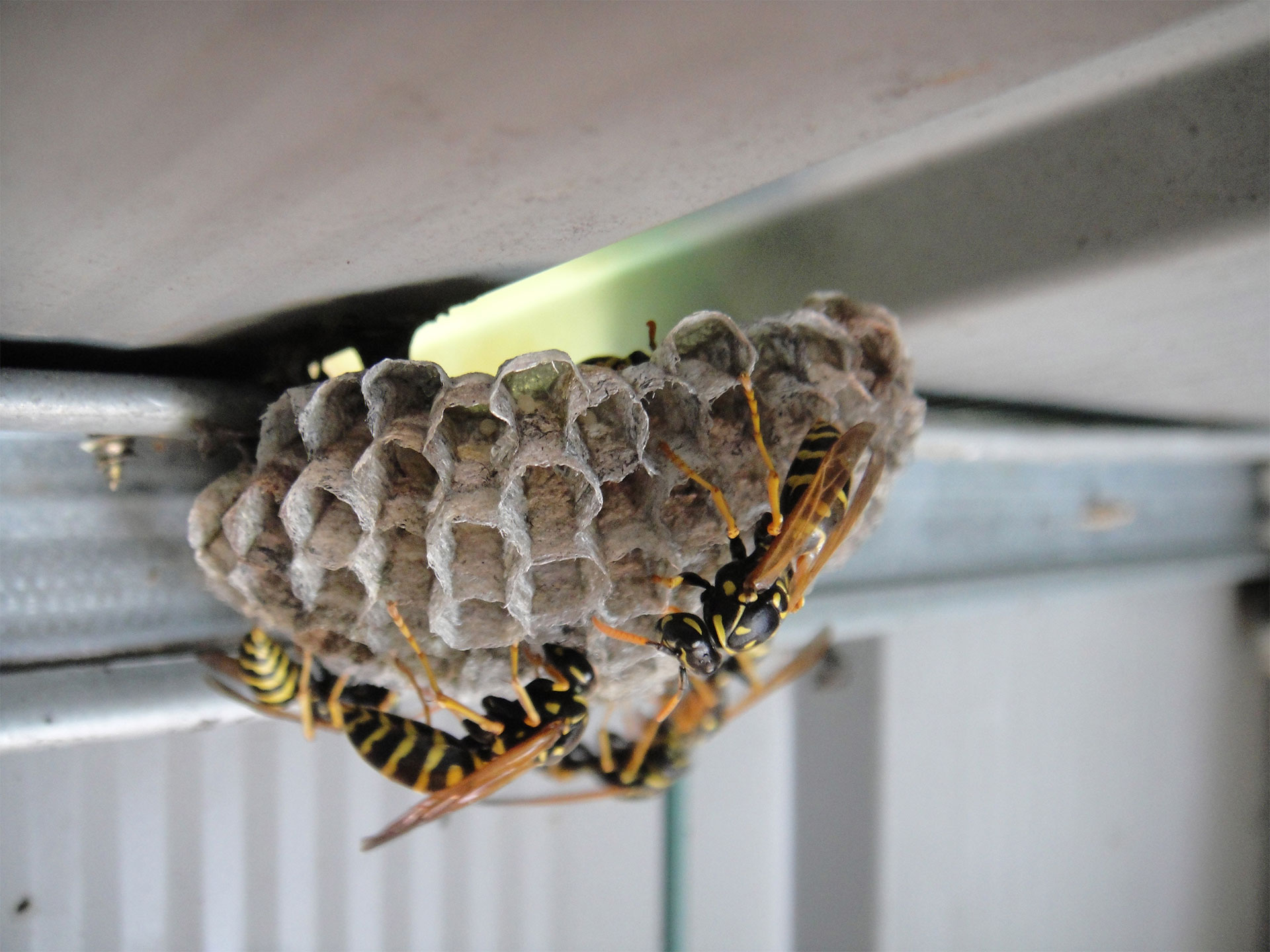
- A visible paper nest on walls, under eaves or in garden structures
- Regular sightings of wasps flying in and out of a small gap or crevice
- Aggressive wasp behaviour near bins, BBQs or outdoor seating
- Buzzing sounds from behind walls or in roof spaces
- Pets or kids stung while playing outside
Repeated wasp traffic to and from one location may indicate a nest. The level of risk depends on the species, nest position and proximity to people or pets. Avoid disturbing the area and arrange professional advice.
Why Professional Wasp Assessment Matters
Approaching or spraying an active wasp nest may cause defensive activity and increase the risk of stings. The appropriate method depends on the wasp species, nest construction, location and accessibility.
Lethal Pest Control uses suitable equipment and APVMA-registered products for their intended use. Preparation, exclusion zones and post-treatment instructions will be explained for the service provided.
Our Professional Wasp Nest Removal Process
Site and Nest Assessment
We assess the visible activity, likely species, nest location, access and risks in suitable accessible areas before selecting a treatment method.
Targeted Wasp Treatment
An APVMA-registered product is applied to the selected nest or activity area according to label directions and the site conditions.
Nest Removal Where Appropriate
Where a treated nest becomes inactive, accessible and safe to handle, removal may be discussed. Some nest locations are concealed or inaccessible and require different follow-up advice.
Advice to Reduce Future Wasp Nesting
Practical recommendations may include managing food waste and sealing suitable entry points after activity has ceased and where building work is appropriate.
Residential and Commercial Wasp Control Services
Lethal Pest Control provides wasp assessment and treatment for suitable homes, cafés, warehouses, schools and other commercial properties across the Gold Coast. Service suitability depends on the species, nest location, access and site risk.
Book a Wasp Assessment
Do not risk approaching or disturbing a suspected wasp nest. Contact Lethal Pest Control to discuss the location, activity and access so an appropriate next step can be arranged.
Wasp Removal FAQs
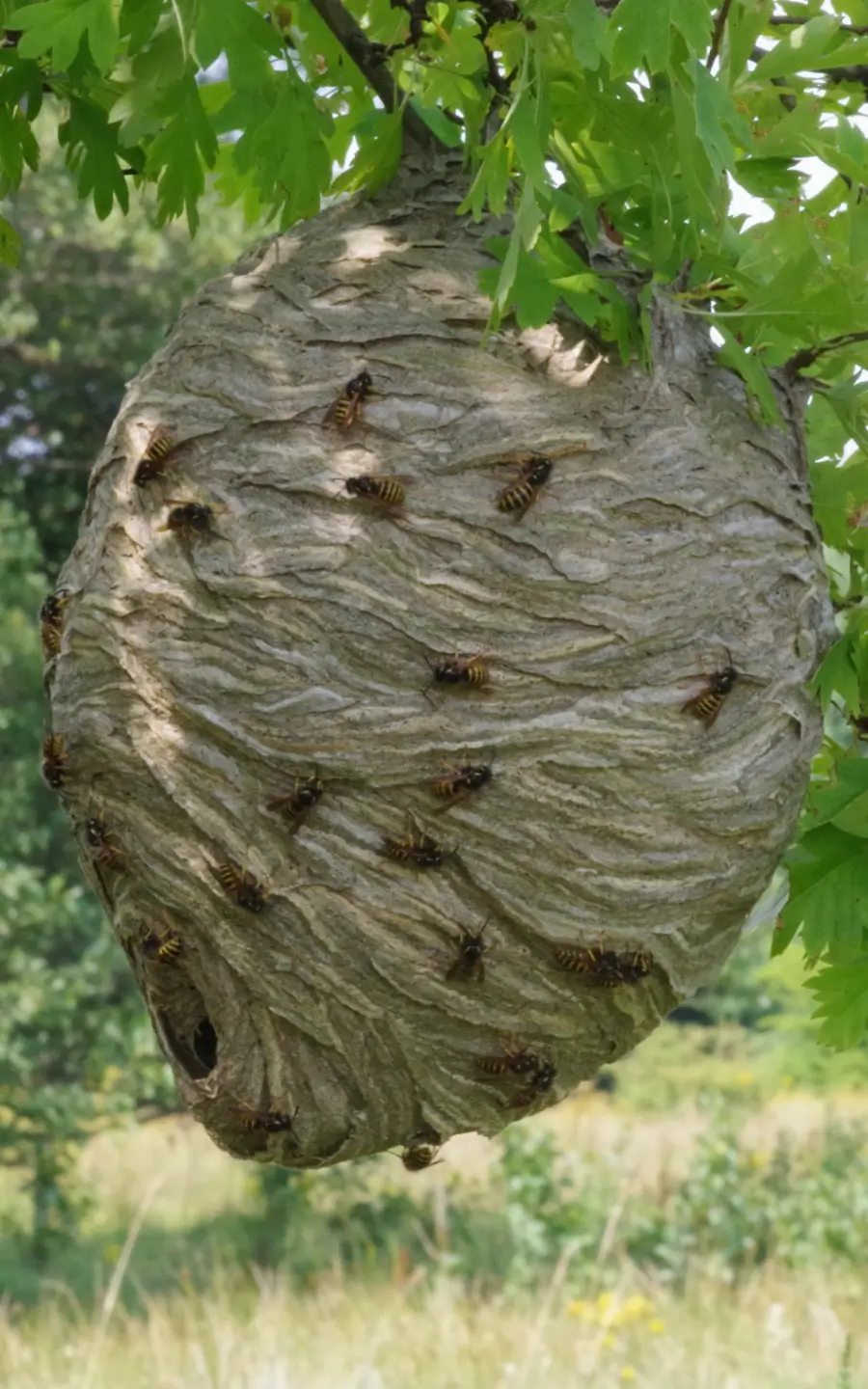
A wasp nest often has a grey, papery appearance and can vary in size depending on the species and stage of development. Common locations include eaves, roof voids, wall cavities, sheds, trees and other sheltered areas.
Repeated wasp traffic from the same opening or defensive activity near a particular area may indicate an active nest. Avoid disturbing the area and arrange professional assessment of the wasp activity, nest location and accessibility.
Wasps and bees behave differently, and the risk depends on the species and whether a nest is being defended. Some wasp species can sting repeatedly, so keep people and pets away from an active nest and avoid disturbing it.
Wasp and bee stings can cause serious allergic reactions in some people. Seek urgent medical attention if a person shows signs of a severe allergic reaction.
Wasps are attracted to sweet foods, protein sources, uncovered bins, pet food, sugary drinks and even standing water. Garden flowers, compost heaps and outdoor eating areas also attract wasps, particularly during the warmer months. They often build nests in sheltered spaces close to food and water sources.
Do not approach or disturb an active wasp nest. Wasps may defend the nest and some species can sting repeatedly. Over-the-counter sprays may agitate or disperse wasp activity and may not reach a concealed nest.
Professional assessment considers the wasp species or activity, nest location, accessibility and site conditions before an appropriate treatment is recommended.
A technician first assesses the wasp activity, nest location, accessibility and site conditions. The active nest or wasp activity is then treated using an appropriate treatment method, with products registered for their intended use and applied according to label directions.
Where a treated nest becomes inactive, accessible and safe to handle, removal may be discussed. Concealed or inaccessible nests may require different follow-up advice, and continued activity may require reassessment.
Cost depends on the species, nest location, accessibility and treatment required. We can provide a quote once the situation is assessed.
Managing food and waste attractants can help reduce wasp activity. Keep bins closed, clean up food scraps and sugary drinks, remove fallen fruit and manage other suitable food sources around outdoor areas.
We may identify potential entry points or conditions that could encourage future nesting and recommend suitable repairs or exclusion work where appropriate. These measures may reduce nesting opportunities but cannot prevent future wasp activity.
Treatment is selected and applied according to the product label and site conditions. We’ll explain any preparation, exclusion or re-entry instructions relevant to the treatment provided.
Keep children and pets away from an active nest and from treatment areas for the period specified by the technician.
Wasps may use the same or nearby areas if suitable food sources, shelter or entry points remain. Treating an active nest does not guarantee that another nest will not be established in the future.
We may identify potential entry points or conditions that could encourage future nesting and recommend suitable repairs or exclusion work where appropriate. Where a treated nest becomes inactive, accessible and safe to handle, removal may be discussed. Concealed or inaccessible nests may require different follow-up advice.
Wasp activity is generally higher during the warmer months, particularly from late spring through summer and into early autumn. Activity and colony development vary with the species, weather and local conditions.
Early professional assessment can allow an active nest to be addressed before it becomes more established.
Wasps and hornets belong to the same family but differ in size, appearance and behaviour. Hornets are typically larger, more aggressive and build bigger nests. In Australia, what we commonly refer to as hornets are usually large wasp species like the European wasp. Wasps tend to have slimmer bodies and brighter yellow markings, while hornets have bulkier bodies and a more reddish-brown colour.