
How to Prepare for a Pest Control Treatment: A Complete Preparation Guide
When you have scheduled a professional pest control treatment, knowing what to do before, during and after the visit can make the process much easier. Proper preparation gives the pest technician better access to problem areas, helps protect food and personal belongings, and allows you to follow important safety instructions.
Whether you are dealing with ants, cockroaches, spiders, termites or other pests, the exact preparation will depend on the treatment being performed. Australian pest control providers commonly recommend clearing access, protecting food, moving pet items and following the technician’s instructions about re-entry and cleaning.
For homeowners arranging Pest Control Gold Coast services, these steps can help prepare a home for a professional visit and make the treatment process more efficient.
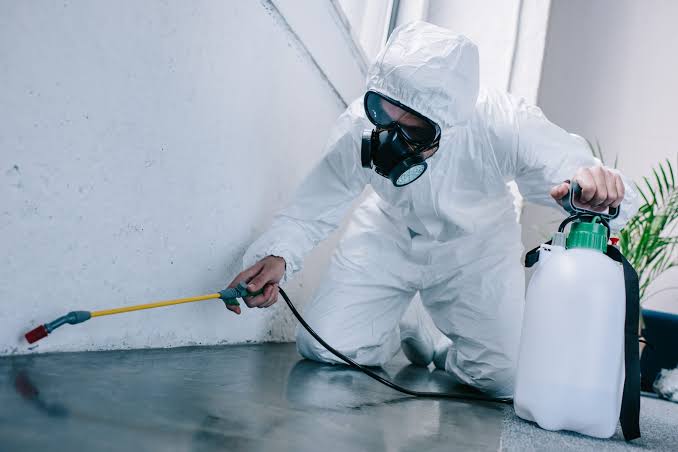
1. Ask the Pest Controller What to Expect
Before the technician arrives, ask the pest control company what will happen during the appointment. Different pests require different treatment methods, so preparation for a cockroach treatment may not be the same as preparation for termite treatment.
Ask questions such as:
- Which areas of the property will be treated?
- What type of treatment will be used?
- Do I need to leave the property?
- How long should children and pets stay away?
- How long does the treatment need to dry?
- Are there areas that need to remain untouched afterward?
- When can I clean the treated areas?
Getting these answers in advance prevents confusion on treatment day. It also means you can make appropriate arrangements for children, pets and anyone else living in the home.
2. Clean the Areas Being Treated
One of the most useful things you can do before pest control arrives is clean the relevant areas. Remove food crumbs, rubbish and other debris that could attract pests.
Vacuum floors, particularly around walls, corners and areas where you have noticed pest activity. Wipe kitchen benches and remove food residue from cooking areas.
However, there is no need to spend hours trying to make every part of the house spotless. The most important thing is to provide the technician with clear access to the areas that need treatment.
Some Australian pest control guidance recommends cleaning and decluttering before treatment while avoiding unnecessary cleaning of treated areas immediately afterward.
3. Remove Clutter From Walls and Floors
Pests often hide in dark, undisturbed spaces. Boxes, piles of clothing, stored belongings and other clutter can make these areas difficult for a technician to inspect or treat.
Before the appointment:
- Move unnecessary items away from walls.
- Clear clutter from floors.
- Remove cardboard boxes where practical.
- Organise storage areas that need to be inspected.
- Give the technician access to skirting boards and corners.
- Move furniture if the technician has specifically requested it.
If you have noticed pests in a particular cupboard, garage, laundry or storage area, make sure the technician can reach it.
Good preparation is particularly important when the treatment depends on reaching pest hiding places or entry points.
4. Put Food and Kitchen Items Away
Food should not be left exposed when pest control is being performed.
Store open food in sealed containers or cupboards. Put away fruit, bread, snacks and other food items that are sitting on benches or tables. Dishes, cooking utensils and other kitchen items should also be protected where necessary.
Remember to consider pet food as well. Open bowls of food can attract pests and may need to be removed from treatment areas.
Before the technician arrives, check:
- Kitchen benches
- Dining tables
- Pantry shelves
- Open food containers
- Pet food bowls
- Rubbish bins
Keeping these areas organised makes it easier for the technician to work and reduces unnecessary exposure of household items.
5. Prepare Your Pets
Pets require particular attention before pest control treatment.
Remove pet bowls, toys and bedding from areas that will be treated unless the pest controller specifically advises otherwise. Depending on the treatment, pets may need to leave the property temporarily.
This is especially important for birds, fish and other animals that may be more sensitive to certain products.
Do not assume that every pest treatment has the same safety requirements. Ask the pest technician exactly what you should do with your animals and when they can safely return.
If you are arranging Pest Control Gold Coast services, discuss your pets with the technician before treatment so appropriate preparation can be made.
6. Keep Children Away From Treatment Areas
Children should not be allowed to play in areas while they are being treated.
Put away children’s toys, bedding and personal items that may be in treatment areas. If the pest controller recommends that everyone leave the property during treatment, follow those instructions.
The technician should also be told about any areas that children regularly use, such as playrooms, bedrooms and outdoor play areas.
Most importantly, follow the specific product and treatment instructions provided by the licensed pest management professional rather than relying on a general waiting time.
7. Give the Technician Access to the Property
A pest controller needs to be able to inspect and treat the relevant areas. Make sure gates are unlocked and that the technician can access rooms, garages, sheds or outdoor areas included in the service.
If you have identified particular pest activity, tell the technician exactly where you have seen it.
For example, you might have noticed:
- Cockroaches under the kitchen sink
- Ant trails around a window
- Spiders around outdoor lights
- Termites or termite damage near timber
- Rodent activity in a garage or roof space
This information can help the technician understand where to concentrate their inspection.
8. Tell the Technician About Pest Activity
Do not assume that the pest controller already knows where the problem is.
Before treatment begins, explain what you have seen and when you normally see it. Details such as the location, frequency and type of pest activity can be useful.
You can also show the technician photographs if the pest is no longer visible.
For example, if you regularly see ants entering through a particular window, point out the location. If you have heard scratching sounds in a roof cavity, explain when the sounds normally occur.
The more useful information the technician has, the easier it may be to identify potential pest entry points or activity areas.
9. What Should You Do While Pest Control Is Happening?
During treatment, follow the pest controller’s instructions carefully.
If you have been asked to leave, do not remain inside simply because the treatment appears quick. Likewise, keep children and pets away from treated areas if instructed.
Do not touch freshly treated surfaces or move pest baits, traps or other treatment materials unless the technician tells you to do so.
Before leaving, ask the technician when you can return and whether any ventilation is required.
Treatment instructions can vary considerably depending on the pest, product and application method, so the technician’s directions should take priority.
10. What to Do After Pest Control Treatment
Once treatment has finished, your job is not necessarily over.
First, follow the recommended re-entry time. If the technician tells you to wait until treated surfaces are dry, make sure you do so.
After returning, follow any ventilation instructions provided.
You should also avoid immediately scrubbing or washing areas that have been deliberately treated. Some perimeter treatments are designed to remain on surfaces for an extended period, so excessive cleaning can reduce their residual effect. Pest-Ex, for example, recommends avoiding mopping directly over treated perimeter areas for a period after treatment.
Always follow the instructions supplied for your particular treatment because cleaning recommendations vary.
11. Don’t Panic if You Still See Pests
Seeing a few pests after treatment does not necessarily mean the service has failed.
Some pest control treatments are designed to work gradually. Depending on the pest and treatment method, it can take time for pest activity to decrease. Some treatments use baits or slower-acting products that allow pests to carry the product back to nesting areas.
Continue monitoring the situation and follow the technician’s recommendations.
If pest activity remains high or does not improve within the expected period, contact the pest control company. They can determine whether a follow-up treatment or further inspection is necessary.
Avoid automatically applying additional DIY pesticides because this could interfere with professionally placed baits or treatments.
12. What Not to Do When Pest Control Comes
There are several common mistakes homeowners should avoid.
Do not leave food exposed, block access to walls with furniture or clutter, or leave pet bowls in areas scheduled for treatment.
You should also avoid cleaning treated areas immediately after the service unless the technician tells you to do so.
Another mistake is assuming that every pest treatment has identical preparation requirements. A general household spray, termite treatment, rodent control program and targeted cockroach treatment can all require different procedures.
When in doubt, ask the pest controller.
Preparing for Pest Control
Homes throughout the Gold Coast can experience a range of pest problems, including ants, cockroaches, spiders and termites. The appropriate treatment and preparation will depend on the pest, property and location of the infestation.
When booking Pest Control Gold Coast services, provide as much information as possible about the problem before the appointment. Tell the technician what pests you have seen, where you have seen them and whether you have children or pets at home.
It is also useful to ask for specific preparation and aftercare instructions before the technician arrives.
Professional pest control is not simply about spraying a product and leaving. Inspection, preparation, treatment and follow-up can all form part of an effective pest management approach.
14. Simple Pest Control Preparation Checklist
Before your pest controller arrives, use this quick checklist:
- Clean and vacuum relevant areas.
- Remove clutter from floors and walls.
- Put food into sealed containers.
- Store pet food safely.
- Remove pet bowls and toys from treatment areas.
- Clear access to affected rooms.
- Unlock gates and provide access to outdoor areas.
- Tell the technician where you have seen pests.
- Make arrangements for children and pets if required.
- Ask about the treatment and re-entry time.
- Follow all aftercare instructions.
- Avoid disturbing treated areas unnecessarily.
Frequently Asked Questions
Do I need to clean before pest control?
Yes, cleaning and removing clutter from treatment areas can help provide better access. Focus on removing food debris, rubbish and unnecessary items rather than trying to deep-clean the entire house.
Do I need to leave the house during pest control?
It depends on the treatment being performed. Ask your pest controller whether occupants need to leave and how long you should stay away.
What should I do with my pets?
Remove pets and their belongings from treatment areas when instructed. Always ask the technician about the specific requirements for your animals.
Can I clean after pest control?
You can generally continue normal cleaning where appropriate, but avoid washing or scrubbing treated areas too soon because this may interfere with residual treatments. Follow the technician’s specific instructions.
Is it normal to see pests after treatment?
Yes. Some treatments take time to work, so occasional pest activity immediately after treatment does not necessarily mean the treatment has failed. Monitor the situation and contact the provider if activity does not improve as expected.
Conclusion
Knowing what to do when pest control comes can make the entire process safer, simpler and more effective. Start by cleaning and decluttering treatment areas, putting food away, preparing pets and children, and giving the technician easy access to affected areas.
Once treatment is complete, follow the professional’s re-entry and aftercare instructions carefully. Avoid disturbing treated areas too soon and remember that some pest treatments take time to achieve their full effect.
For homeowners looking for Pest Control Gold Coast services, preparing your property properly and communicating clearly with the technician can help ensure the treatment is carried out efficiently. Whether you live in a house, apartment or other property in Gold Coast, always follow the specific instructions provided by your pest management professional.