
When to Do Pest Inspection? A Complete Guide for Australian Homeowners
Pest inspections are an important part of protecting a property from termites, ants, cockroaches, rodents and other unwanted pests. However, many homeowners are unsure about when to do pest inspection or how frequently they should arrange one.
The best time depends on your circumstances. If you are buying a property, a pest inspection should ideally be completed before you commit to the purchase. If you already own a home, regular inspections can help identify termite activity and other pest risks before they result in expensive damage.
For homeowners in Gold Coast, Australia, professional pest inspections can be particularly useful because properties can be exposed to warm, humid conditions and environmental factors that support pest activity.
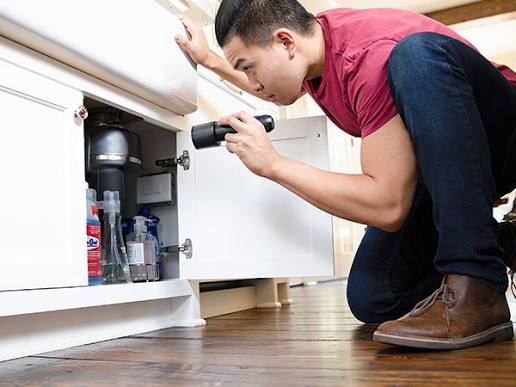
When Should You Do a Pest Inspection?
The most important time to arrange a pest inspection is before buying a property. A professional inspection can identify visible pest activity, evidence of previous infestations, timber damage and conditions that may increase the risk of future problems.
Ideally, buyers should arrange an inspection before making an unconditional commitment to purchase. This gives you an opportunity to understand the condition of the property before proceeding.
A pest inspection is especially important when:
- You are purchasing an established or older home.
- The property has timber structures.
- There are signs of moisture or water damage.
- The home has a history of termite activity.
- Gardens or vegetation are close to the building.
- You are purchasing a property near bushland.
- You are considering bidding at auction.
A professional inspection can examine areas that may not be obvious during a normal open-house inspection, including roof voids, subfloors, external structures and other accessible areas.
When to Do a Pest Inspection Before Buying a House
Buying a house is one of the biggest financial decisions many people make, so discovering pest damage after settlement can be frustrating and expensive.
A pre-purchase pest inspection should ideally be arranged while you are still able to make an informed decision about the property. Depending on the contract and state or territory requirements, buyers may have different rights regarding inspection conditions and cooling-off periods. It is therefore important to discuss the timing and wording of inspection conditions with your conveyancer or solicitor.
A pest inspection may identify:
- Active termite activity.
- Evidence of previous termite activity.
- Damaged or deteriorated timber.
- Other timber pests.
- Conditions that attract termites.
- Moisture problems.
- Areas requiring further investigation.
A report does not necessarily mean that every possible pest problem has been eliminated from consideration. Inspections have limitations, particularly where parts of a property are inaccessible. For this reason, buyers should read the entire report and pay attention to areas that could not be inspected.
Should You Get a Pest Inspection Before an Auction?
Yes, it is generally sensible to arrange a pest inspection before bidding at auction.
One of the biggest risks with purchasing at auction is that the buyer may have fewer opportunities to reconsider the purchase after winning. If you discover significant termite damage after the auction, you may already have committed to the property.
Having a pest inspection before the auction allows you to make a more informed decision about how much you are prepared to pay.
Before an auction, consider arranging:
- A building inspection.
- A timber pest or pest inspection.
- A review of the sale contract.
- Professional advice from a conveyancer or solicitor.
If the pest report identifies serious damage or active termites, you can consider the potential repair and treatment costs before deciding whether to bid.
How Often Should You Do a Pest Inspection?
There is no single inspection schedule that is suitable for every Australian property. The appropriate frequency depends on the property’s construction, location, pest history, moisture levels and surrounding environment.
For many homeowners, a regular annual pest or termite inspection can be a useful preventative measure. Higher-risk properties may require more frequent monitoring.
You may want to consider regular inspections if:
- Your property has previously had termites.
- You live near bushland or heavily vegetated areas.
- Your home contains significant timber structures.
- There are persistent moisture problems.
- You have experienced recurring pest infestations.
- Your property has limited ventilation.
- You have noticed changes or damage to timber.
Regular inspections are particularly valuable because termite activity may remain hidden for extended periods. Waiting until obvious damage appears can mean the problem has already progressed.
When Should You Get a Termite Inspection?
A termite inspection should not only be arranged after you see termites. In many cases, the insects can remain concealed inside walls, floors, roof areas or other timber structures.
You should consider arranging a termite inspection if you notice:
- Mud tubes around the building.
- Hollow-sounding timber.
- Damaged or weakened wood.
- Discarded wings around windows or doors.
- Doors or windows that suddenly become difficult to open.
- Cracks or unusual damage around timber.
- Moisture or drainage problems.
- Previous termite activity.
- Timber in direct contact with soil.
If you find evidence of termites, avoid disturbing the area unnecessarily and arrange a professional assessment. A pest professional can determine whether the activity appears current and recommend appropriate next steps.
Signs That You Need a Pest Inspection
You do not always need to wait for visible termites before arranging an inspection. Other signs can indicate that professional advice may be worthwhile.
Common warning signs include:
- Frequent cockroach sightings.
- Ant trails appearing repeatedly.
- Rodent droppings.
- Scratching noises in the roof.
- Damage to timber.
- Insects around windows or doors.
- Pest activity after rain.
- Unusual smells.
- Droppings or nesting materials.
- Repeated pest problems despite DIY treatments.
One or two insects do not necessarily indicate a major infestation. However, repeated activity or physical damage should not be ignored.
What Does a Professional Pest Inspection Check?
A professional pest inspection generally involves examining accessible areas of the property for evidence of pest activity, damage and conditions that could encourage pests.
Depending on the property and inspection scope, areas may include:
- Interior rooms.
- Roof voids.
- Subfloor areas.
- External walls.
- Foundations.
- Garages.
- Sheds.
- Decks.
- Fences.
- Timber structures.
- Garden areas.
- Areas around plumbing and moisture sources.
The inspector may look for evidence of termites and other timber pests, as well as environmental conditions that increase pest risk.
It is important to understand that an inspection is not the same as a guarantee that a property is completely pest-free. Some areas may be inaccessible, concealed or outside the inspection scope.
Pest Inspection vs Pest Control: What’s the Difference?
A pest inspection and pest control serve different purposes.
A pest inspection is primarily designed to identify evidence of pests, damage and potential risks. The inspector provides findings and recommendations based on what they observe.
Pest control, on the other hand, involves treating an existing pest problem or reducing pest activity around a property.
For example, if a pest inspection identifies active termites, the next step may involve professional termite treatment and ongoing monitoring.
Homeowners looking for Pest Control Gold Coast services should therefore understand what they actually need. If you are unsure whether pests are present, an inspection may be the appropriate first step. If an infestation has already been identified, professional treatment may be required.
Why Pest Inspections Matter
Properties on the Gold Coast, Australia can face a range of pest-related challenges. Warm conditions, moisture, landscaping and surrounding vegetation can all contribute to an environment where certain pests can thrive.
Termites deserve particular attention because they can cause significant damage to timber structures while remaining hidden.
Homeowners should pay attention to:
- Leaking or poorly drained areas.
- Excess moisture around the property.
- Timber close to the ground.
- Garden beds against external walls.
- Dense vegetation around structures.
- Poor ventilation beneath buildings.
- Previous termite activity.
These factors do not automatically mean that a property has termites. However, they can make regular professional inspections a sensible part of property maintenance.
What Happens If a Pest Inspection Finds Termites?
Finding termites does not automatically mean you have to abandon a property or assume the damage is catastrophic.
The first step is to determine whether the termites are active and identify the areas affected. The inspector may recommend further investigation, treatment or monitoring.
If you are purchasing a property, discuss the report with your conveyancer or solicitor before making decisions. Depending on the contract, you may have options concerning negotiations or other actions.
If you already own the property, arrange professional treatment as soon as practical. Early intervention can help prevent an existing problem from becoming more extensive.
Can You Do a Pest Inspection Yourself?
Homeowners can perform basic visual checks, but a DIY inspection should not necessarily replace a professional assessment.
You can look for:
- Mud tubes.
- Damaged timber.
- Insect wings.
- Droppings.
- Moisture.
- Visible insects.
- Pest entry points.
However, pests can occupy concealed locations that are difficult for an untrained homeowner to identify. A professional can assess accessible areas systematically and provide a report describing findings and limitations.
This is especially important when purchasing an expensive property.
How to Choose a Pest Inspector
When choosing a pest inspection professional, consider:
- Relevant qualifications and licensing.
- Experience with termites and timber pests.
- Experience with properties in your local area.
- A clear inspection scope.
- Detailed written reports.
- Photographs of significant findings.
- Transparent pricing.
- Professional insurance.
- Good customer reviews and reputation.
For homeowners on the Gold Coast, choosing a professional familiar with local property conditions can be particularly useful.
Pest Inspection Checklist
Before arranging your inspection, use this simple checklist:
Before the inspection:
- Confirm the property’s address.
- Ask what areas will be inspected.
- Ask whether a written report is included.
- Provide access to relevant parts of the property.
- Tell the inspector about known pest problems.
After the inspection:
- Read the complete report.
- Review photographs and findings.
- Check which areas could not be inspected.
- Determine whether pest activity is current.
- Ask about recommended treatment.
- Obtain additional advice if major damage is identified.
Final Thoughts
Knowing when to do a pest inspection can help homeowners identify pest problems before they become expensive repairs. For property buyers, the most important time is before committing to a purchase, particularly before bidding at auction.
Existing homeowners should also consider regular inspections, especially when their property has factors that increase termite or pest risk.
For residents in Gold Coast, Australia, professional inspections can be a valuable part of preventative property maintenance. If an inspection identifies an active infestation, professional Pest Control Gold Coast services can help determine the appropriate treatment and prevention strategy.
Rather than waiting until serious damage becomes visible, regular inspections provide an opportunity to identify potential problems earlier and protect your property for the long term.