
When Is the Best Time for Pest Control?
Knowing when to spray pest control can make a significant difference to how effectively you prevent and manage pest problems. While some homeowners wait until they see insects around the house, professional pest control can also be used as a preventative measure before pest activity becomes severe.
There is no single best time that applies to every pest, property or location. Australian pest control specialists generally point out that different pests are active at different times of the year, meaning treatment should be based on pest activity, weather conditions, the property’s history and the type of treatment required.
For homeowners in Gold Coast, seasonal conditions are particularly relevant. The area’s warm, subtropical climate can support pest activity throughout much of the year, although many common pests become more active as temperatures and humidity increase.
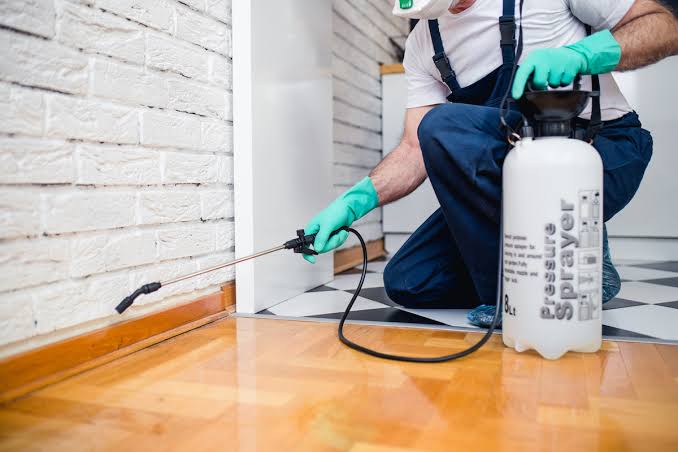
When Is the Best Time to Spray Pest Control?
For preventative pest control, spring is often considered a good time to arrange treatment. As temperatures rise after winter, many insects become increasingly active and begin searching for food, shelter and breeding locations.
Treating before pest activity reaches its peak can help reduce the number of pests that establish themselves around a property. Some Australian pest control sources recommend early spring because pest populations may still be relatively low, making it possible to address problems before they grow.
However, this does not mean you should wait until spring if you already have an infestation. If you are seeing cockroaches, ants, spiders, termites or other pests regularly, treatment may be necessary immediately.
In other words, the best time to spray pest control is often before a seasonal increase in pest activity, but an existing infestation should be addressed whenever it occurs.
Is Spring the Best Season for Pest Control?
Spring is frequently recommended for preventative pest control because warmer weather encourages insects to become more active.
During spring, you may notice:
- More ants around kitchens and outdoor areas
- Increased spider activity
- Cockroaches appearing indoors
- More mosquitoes around gardens and water sources
- Increased termite activity in suitable conditions
- Other insects becoming more visible
An Australian pest control provider focusing on seasonal treatment notes that early spring can be an effective period because pests are beginning to become active after winter.
Spring treatment can therefore act as a proactive measure rather than waiting for pest numbers to become difficult to manage.
That said, pest control is not limited to spring. Different pests have different life cycles, and properties can experience pest problems throughout the year.
When to Spray Pest Control
The best time for Pest Control Gold Coast services can differ from recommendations made for colder parts of Australia.
The Gold Coast has a warm, humid and subtropical climate. Local pest management sources note that pests such as cockroaches, ants, spiders, mosquitoes, fleas and termites can remain active throughout the year, with activity often increasing during spring and summer.
Some Gold Coast pest control providers recommend scheduling general treatments before the peak warmer months. One Australian source identifies August through December as a useful period for preventative treatment in the region, while also noting that homeowners with an active infestation should arrange treatment immediately rather than waiting for a particular season.
This makes preventative treatment particularly useful before the warmer months, but regular inspections and monitoring are still important throughout the year.
What Is the Best Time of Day to Spray Pest Control?
The best time of day depends on the type of pest treatment being performed.
For some treatments, early morning or later in the day may be suitable because temperatures can be lower than during the hottest part of the afternoon. Some Australian pest control guidance suggests early morning or late afternoon can be appropriate for certain treatments.
However, homeowners should not assume that morning is always better.
The correct application time depends on factors such as:
- The pest being treated
- Whether the treatment is indoors or outdoors
- The product being used
- Temperature
- Wind
- Rain
- Surface conditions
- Manufacturer instructions
Professional pest controllers should determine the appropriate application conditions for the treatment being used.
If you are applying a pesticide yourself, always read and follow the product label. Do not change the recommended concentration or application method simply because you believe a different time of day will work better.
When Should You Spray for Common Household Pests?
Different pests require different approaches. Understanding when pest activity normally increases can help you decide when to arrange professional treatment.
Ants
Ant activity often becomes more noticeable when temperatures rise. You may see trails around kitchens, windows, doors and outdoor areas.
Rather than simply spraying every visible ant, it is important to identify where the ants are entering and where the colony may be located. Professional pest management can help determine the most appropriate treatment method.
Cockroaches
Cockroaches can become more active in warm conditions and may enter homes in search of food, moisture and shelter.
If you regularly see cockroaches indoors, particularly in kitchens, bathrooms or other damp areas, do not necessarily wait for summer or spring treatment. A recurring infestation may require professional attention at any time of year.
Spiders
Spider activity is often more noticeable during warmer months. One Australian pest control specialist notes that professional spider treatments can work throughout the year, although homeowners may notice the benefits more clearly during spring and early summer when spider activity increases.
Preventative treatment can be useful before the period when spiders become particularly noticeable around the property.
Termites
Termites require a different approach from many common household insects. Homeowners should not wait for a particular season if they discover signs of termite activity.
Signs can include damaged timber, mud tubes, discarded wings or other evidence of termite presence.
If you suspect termites, arrange a professional inspection as soon as possible.
Mosquitoes
Mosquito activity can increase under warm and wet conditions. Areas containing standing water around the property can provide breeding opportunities.
Reducing standing water, maintaining gardens and addressing potential breeding areas should be considered alongside appropriate professional pest management.
Should You Spray Pest Control Before You See Pests?
Preventative pest control can be useful for properties with a history of pest problems.
The goal is not simply to wait until insects are visible and then react. Regular inspections and appropriately timed treatments can help identify and address pest pressure before it develops into a larger infestation.
Integrated pest management guidance also emphasises monitoring and using appropriate control methods based on the pest problem rather than automatically spraying pesticides without assessing the situation.
Preventative treatment may be particularly worthwhile if:
- Your property has previously had infestations.
- You live in an area with high pest activity.
- Your home has many potential pest entry points.
- You have gardens close to the building.
- You frequently see insects around doors and windows.
- Your property has conditions that attract pests.
A pest professional can help determine whether regular treatment is appropriate for your property.
When Should You Spray Pest Control Immediately?
Although seasonal preventative treatment can be useful, you should not wait for the “perfect” time if you already have a serious pest problem.
Consider contacting a professional when you notice:
- Large numbers of insects.
- Repeated pest sightings.
- Nests or colonies.
- Pest droppings.
- Damage to timber or other materials.
- Scratching or movement inside walls or roof spaces.
- Persistent pest activity despite cleaning and preventative measures.
- Signs of termites or other potentially damaging pests.
Australian pest control guidance commonly makes the distinction between preventative treatment and situations where an active infestation requires prompt attention.
Waiting several months simply because it is not spring could allow a pest population to grow.
How Weather Affects Pest Control Spraying
Weather conditions can influence outdoor pest control applications.
Rain can affect some outdoor treatments, while strong winds may make application unsuitable. Very high temperatures can also influence certain products and application methods.
For this reason, professional pest controllers consider current weather conditions before applying outdoor treatments.
Homeowners using pesticide products themselves should always check the product label for weather-related instructions. Do not assume that a product can be safely applied immediately before heavy rain or during unsuitable weather.
How Often Should You Spray Pest Control?
There is no universal schedule for every home.
The appropriate treatment frequency depends on:
- The pest species
- The severity of the infestation
- The property’s location
- Previous pest treatments
- The type of product used
- The expected residual effectiveness
- Local climate
- The property’s susceptibility to pest activity
Some homeowners may benefit from regular preventative treatments, while others may only need professional pest control when an infestation occurs.
For homes in the Gold Coast, local climate and pest pressure should be considered when creating a treatment schedule. Some Queensland pest management providers recommend more attention during the warmer months because pest activity can increase significantly during this period.
Preventative Pest Control vs Emergency Treatment
It is useful to understand the difference between preventative and reactive pest control.
Preventative pest control is planned before a major infestation develops. It may be scheduled seasonally or at regular intervals based on the property’s history.
Reactive pest control occurs when a homeowner discovers an existing pest problem and needs treatment.
Both approaches have their place. Preventative treatment can reduce the likelihood of serious pest activity, while reactive treatment is important when pests are already established.
The right approach depends on your property’s specific circumstances.
Should You Spray Pest Control Yourself?
DIY pest products are available for many common household pests, but they need to be used carefully.
Using too much product does not necessarily produce better results. Incorrect application can also create unnecessary exposure or fail to address the source of an infestation.
For minor pest issues, homeowners may choose appropriate consumer products and follow the label carefully. However, professional pest control is generally worth considering when the infestation is persistent, widespread, difficult to identify or involves pests that can cause significant property damage.
This is particularly important for termites and other pests that may remain hidden.
How to Prepare Before Pest Control Spraying
Once you have arranged a professional treatment, preparation can help the technician work effectively.
Before the appointment:
- Remove food from exposed surfaces.
- Store food in sealed containers.
- Clean crumbs and food spills.
- Reduce unnecessary clutter.
- Provide access to affected areas.
- Move pet bowls and toys when instructed.
- Keep children and pets away from treatment areas.
- Tell the technician where you have noticed pest activity.
Ask the pest controller whether you need to leave the property and how long you should wait before returning.
What to Do After Pest Control Spraying
After treatment, follow the pest controller’s instructions carefully.
Depending on the treatment, you may need to wait until surfaces are dry or until a specified re-entry period has passed. Avoid immediately washing or disturbing treated areas unless you have been told that it is safe to do so.
Continue monitoring the property after treatment. Some pest treatments do not eliminate every pest instantly, and activity may take time to decline.
If pest activity remains high after the expected treatment period, contact your pest control provider for advice rather than repeatedly applying additional products yourself.
Frequently Asked Questions
What is the best month to spray pest control?
Spring is commonly recommended for preventative pest control because pest activity starts increasing as temperatures rise. However, the best month depends on the pest, property and local climate.
Is spring or summer better for pest control?
Both can be useful. Spring can provide an opportunity to treat before pest populations reach peak activity, while summer treatment may be necessary when pest activity is already high.
Can pest control be sprayed in winter?
Yes. Pest control can be performed throughout the year. Some pests remain active during winter, and an existing infestation should not be left untreated simply because temperatures are lower.
What time of day is best for pest control spraying?
The appropriate time depends on the treatment, weather and product instructions. Early morning or late afternoon may be suitable for some applications, but the pest controller should determine the appropriate timing.
Should I wait until spring to call pest control?
No. If you already have signs of an infestation, contact a professional when you notice the problem. Seasonal timing is more relevant to preventative treatment than to an active infestation.
Conclusion
So, when to spray pest control depends on what you are trying to achieve. For preventative treatment, spring and the lead-up to warmer months can be useful because many pests become increasingly active as temperatures rise. On the Gold Coast, warm and humid conditions mean pest activity can occur throughout much of the year.
However, there is no reason to wait for a particular season if you already have an infestation. Cockroaches, ants, spiders, termites and other pests can cause problems at any time, making prompt professional assessment important when activity becomes persistent.
For homeowners considering Pest Control Gold Coast, the best approach is to combine preventative planning with regular monitoring. Consider the pest species, property conditions, weather and treatment requirements rather than relying on a single “best” month.
Ultimately, effective pest management is about treating at the right time for the right pest, while following professional and product-specific instructions to achieve the best possible result.