
How Professional Rat Control Works?
If you have noticed rats around your home or business, you may wonder what a professional pest controller actually does to get rid of them. Professional Pest Control for rats involves much more than simply putting down bait. A proper treatment usually begins with an inspection, followed by identifying activity, locating entry points, choosing suitable control methods, monitoring the results and recommending ways to prevent rats from returning.
Rats can contaminate food, damage property and create hygiene concerns. Australian health guidance recommends controlling rodents by reducing their access to food, water and shelter, while professional pest operators commonly use rodenticides and other control methods as part of a broader treatment approach.
For homeowners looking for Pest Control Gold Coast, understanding the treatment process can help you know what to expect and why professional assessment may be necessary.
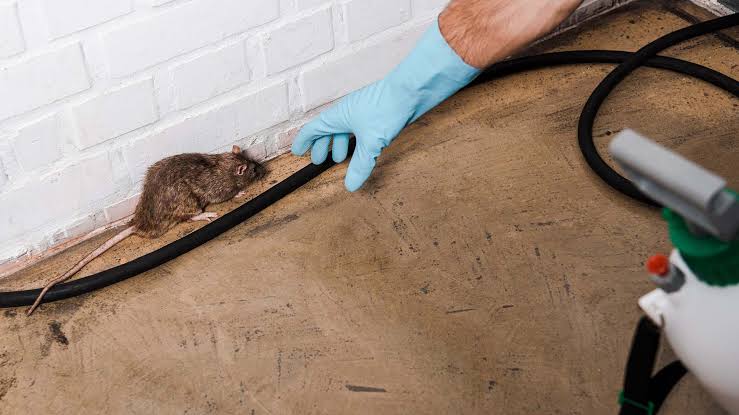
What Does Pest Control Do for Rats?
When a pest controller treats a rat infestation, the objective is not simply to remove the rats that are visible. The technician needs to understand why rats are on the property and how they are getting inside.
A professional rat control program may involve:
- Inspecting the property for signs of rats
- Identifying likely entry points
- Locating feeding and nesting areas
- Assessing the severity of the infestation
- Using suitable traps or bait stations
- Monitoring rodent activity
- Removing or managing dead rodents where included in the service
- Recommending repairs and preventative measures
The exact approach depends on the property, the number of rats, their location and the treatment methods available.
1. Pest Controllers Inspect the Property
The first step is usually a thorough inspection.
A technician looks for evidence that can reveal where rats are travelling, feeding or nesting. Common signs include droppings, gnaw marks, damaged food packaging, nesting materials, unusual smells and scratching noises.
Rats are often active at night, so you may hear movement in roof spaces, walls, ceilings or other concealed areas without actually seeing the animal.
Technicians may inspect areas such as:
- Roof cavities
- Garages
- Kitchens
- Storage areas
- Wall cavities
- Outdoor structures
- Gardens
- Sheds
- Areas around bins
- Rooflines and external walls
A professional inspection is important because seeing one rat does not necessarily mean there is only one rat. Repeated sightings or multiple signs can indicate a larger problem.
2. They Find How Rats Are Getting Inside
Finding the entry point is one of the most important parts of long-term rat control.
Rats can enter buildings through surprisingly small gaps, particularly where doors, vents, pipes, roofing and other structures create openings.
A technician may look for:
- Gaps around pipes
- Damaged vents
- Openings around utility lines
- Gaps beneath doors
- Broken roofing
- Wall openings
- Garage access points
- Gaps around windows
- Damaged external structures
Professional rodent control providers emphasise that simply removing individual rats without addressing entry points can allow new rodents to enter the property.
This is why Professional Pest Control should focus on the underlying cause rather than only the visible symptoms.
3. Pest Controllers Identify Food and Shelter Sources
Rats generally stay where they can find food, water and shelter.
Food can come from many sources around a property, including uncovered rubbish, pet food, fallen fruit, food scraps and poorly stored supplies.
Shelter can be provided by clutter, dense vegetation, roof cavities, wall spaces, sheds and other undisturbed locations.
Australian health guidance specifically recommends reducing access to food, water and shelter as part of effective rodent management.
A pest controller may therefore recommend changes such as:
- Securing rubbish bins
- Storing food in sealed containers
- Cleaning food spills
- Removing unnecessary clutter
- Managing vegetation
- Removing potential nesting materials
- Repairing damaged structures
These measures can make the property less attractive to rats after treatment.
4. They Choose the Right Treatment Method
Once the technician understands the infestation, they can determine which control method is appropriate.
Rat Baiting
Rodenticide baits are one method used by pest control operators. Professional services may place rodent bait inside secured bait stations in strategic locations based on evidence of rat activity.
Rentokil Australia, for example, describes rodent baiting through bait stations as part of customised rat control programs for homes and businesses.
Rodenticide use must be handled carefully. Australian rodenticide products are regulated, and current regulatory requirements can affect which products are available and who can access or use certain products.
Trapping
Trapping can also be used, particularly in situations where a non-toxic control option is preferred or where internal rat activity needs to be addressed.
However, trap placement is important. Rats can be cautious around unfamiliar objects, meaning randomly placing traps may not produce good results. Professional technicians can assess rat movement patterns and position control equipment accordingly.
Monitoring Stations
Monitoring can help technicians determine whether rats are still active.
Some professional systems combine detection, monitoring and baiting, allowing pest managers to assess rodent activity over time.
5. What Happens After Rats Eat Bait?
Rat control does not necessarily produce an instant result.
Depending on the treatment used, rats may continue moving around the property for some time before the infestation declines. This is one reason monitoring is important.
A pest controller may return to inspect bait stations, assess remaining activity and determine whether additional treatment is required.
Homeowners should not assume that seeing a rat shortly after treatment automatically means the treatment has failed.
Instead, follow the pest controller’s instructions and report continued or increasing activity.
6. Do Pest Controllers Remove Dead Rats?
Whether dead rat removal is included depends on the pest control provider and the type of service purchased.
If rats are likely to die in concealed areas such as roof cavities or wall spaces, ask the company what happens if a dead rodent is found.
This is particularly important because a dead rodent in an inaccessible location can create unpleasant odours.
Some Gold Coast pest control providers advertise rodent removal and dead rodent management as part of their services, but inclusions vary between companies.
Before treatment begins, ask whether removal and disposal are included in the quoted service.
7. How Professional Pest Control Prevents Rats From Returning
Getting rid of the current rats is only part of the solution.
If the property continues to provide easy access to food, water and shelter, another group of rats may eventually move in.
Prevention can include sealing appropriate entry points, improving rubbish storage, managing gardens and reducing accessible food sources.
For example, homeowners can:
- Keep rubbish bins securely closed.
- Store pet food appropriately.
- Remove fallen fruit from gardens.
- Keep outdoor areas tidy.
- Repair damaged vents.
- Seal suitable gaps and openings.
- Reduce clutter around sheds and garages.
- Keep food stored in sealed containers.
The goal is to make the property less attractive and less accessible to rodents.
8. Why Rats Can Be a Serious Problem
Rats are not simply an unpleasant nuisance.
They can contaminate food and surfaces and may damage property by chewing materials. Rodent infestations can also create health concerns because rats can carry organisms associated with disease.
Property damage is another concern. Rats may chew through insulation, stored materials and electrical wiring.
Australian pest control providers identify both contamination and property damage among the reasons rodent infestations should be addressed.
If you hear scratching in the roof or walls, see repeated droppings or discover gnaw marks, it is worth investigating the source rather than ignoring the signs.
9. How Long Does Professional Rat Control Take?
There is no fixed timeframe for every rat infestation.
A small problem may require less treatment than an established infestation involving roof cavities, wall spaces or multiple entry points.
The timeframe can depend on:
- The number of rats
- Size of the property
- Location of the infestation
- Availability of food
- Number of entry points
- Nesting locations
- Treatment method
- How quickly prevention measures are implemented
A professional technician should be able to explain the expected treatment process after assessing the property.
Avoid companies that promise identical results and timeframes for every situation without first inspecting the property.
10. Can Pest Control Get Rid of Rats Permanently?
Professional treatment can eliminate an existing infestation, but no pest control service can guarantee that rats will never return if the property remains accessible to rodents.
New rats can enter when they find food, shelter or an opening into the building.
For long-term control, treatment should therefore be combined with prevention.
This is particularly important in areas where rodents are common. A successful treatment removes the current problem, while exclusion and sanitation measures reduce the likelihood of another infestation.
11. Why Choose Professional Pest Control for Rats?
DIY traps and consumer products may be suitable for some minor situations, but established infestations can be difficult to manage without professional assistance.
A professional can inspect areas that homeowners may overlook, identify likely entry points and develop a treatment plan based on the property’s specific circumstances.
This is especially useful when:
- Rats are repeatedly appearing.
- You hear activity inside walls or ceilings.
- Rats are entering roof spaces.
- DIY traps have not solved the problem.
- You cannot identify where rats are coming from.
- There are multiple signs of infestation.
- The property has vulnerable children or pets that need to be considered when planning treatment.
Professional technicians also understand how to use pest control products and equipment appropriately.
Rat Control for Homes
For homeowners searching for Pest Control Gold Coast, local property conditions should be considered when dealing with rats.
The Gold Coast includes a mixture of residential properties, gardens, commercial buildings and outdoor spaces that can provide potential food and shelter for rodents.
A local technician can inspect the property’s specific conditions and identify possible entry points or harbourage areas.
Gold Coast pest control providers commonly offer customised rat treatment plans based on inspection and assessment rather than using exactly the same approach for every property.
If you have noticed rats, droppings, scratching sounds or damaged property, professional assessment can help determine the extent of the problem.
13. What to Do Before a Rat Pest Control Visit
There are several simple things you can do before the technician arrives.
Start by removing accessible food and securing rubbish. Store pet food properly and clean food spills.
You should also clear clutter from areas the technician needs to inspect.
Make sure the technician can access relevant parts of the property, including garages, sheds and other areas where rat activity has been noticed.
Tell the technician exactly what you have seen. Mention where you found droppings, where you heard noises and when you usually notice rat activity.
This information can help the technician investigate the problem more efficiently.
14. What to Do After Rat Treatment
After treatment, follow the pest controller’s instructions carefully.
Do not move bait stations or other control equipment unless instructed. Keep children and pets away from treatment areas as required.
Continue removing food sources and securing rubbish. If the technician has identified entry points that require repairs, address those recommendations as soon as practical.
Continue monitoring for:
- New droppings
- Scratching noises
- Gnaw marks
- Damaged food packaging
- Strong rodent odours
- New sightings
If signs continue, contact the pest control company for further advice rather than repeatedly applying additional products yourself.
Frequently Asked Questions
What does pest control do for rats?
Professional pest control typically involves inspecting the property, identifying rat activity and entry points, selecting appropriate control methods, monitoring results and recommending preventative measures.
Do pest controllers use poison for rats?
Rodenticides are one method used by professional pest operators, often through bait stations. Product availability and use are regulated in Australia, so treatments should be carried out according to applicable requirements.
How long does it take to get rid of rats?
The timeframe varies according to the size of the infestation, property conditions, treatment method and whether follow-up work is required.
Will rats come back after pest control?
They can if entry points, food sources and shelter remain available. Preventative measures are therefore an important part of long-term rat management.
Can pest controllers find where rats are entering?
Yes. A professional inspection can look for gaps, openings, roof access, nesting areas and other conditions that may allow rodents to enter or move around the property.
Is professional rat control worth it?
It can be particularly valuable when rats are repeatedly appearing, activity is occurring in inaccessible areas or DIY measures have failed to resolve the problem.
Conclusion
So, what does pest control do for rats? A professional service does much more than simply kill visible rodents. It involves identifying signs of activity, locating entry points, assessing food and shelter sources, selecting appropriate treatment methods and monitoring the results.
Effective rat management also requires prevention. Securing food, managing rubbish, reducing shelter and addressing suitable entry points can make a property less attractive to rodents and reduce the risk of reinfestation.
For homeowners seeking Pest Control Gold Coast, choosing Professional Pest Control can be particularly useful when rat activity is persistent, difficult to locate or occurring inside roofs, walls or other inaccessible spaces.
If you live on the Gold Coast and have noticed droppings, scratching noises, gnaw marks or repeated rat sightings, arranging a professional inspection can help determine the source of the problem and the most appropriate way to manage it.